The Role of Local Churches and Community Centers in Supporting Older Adults
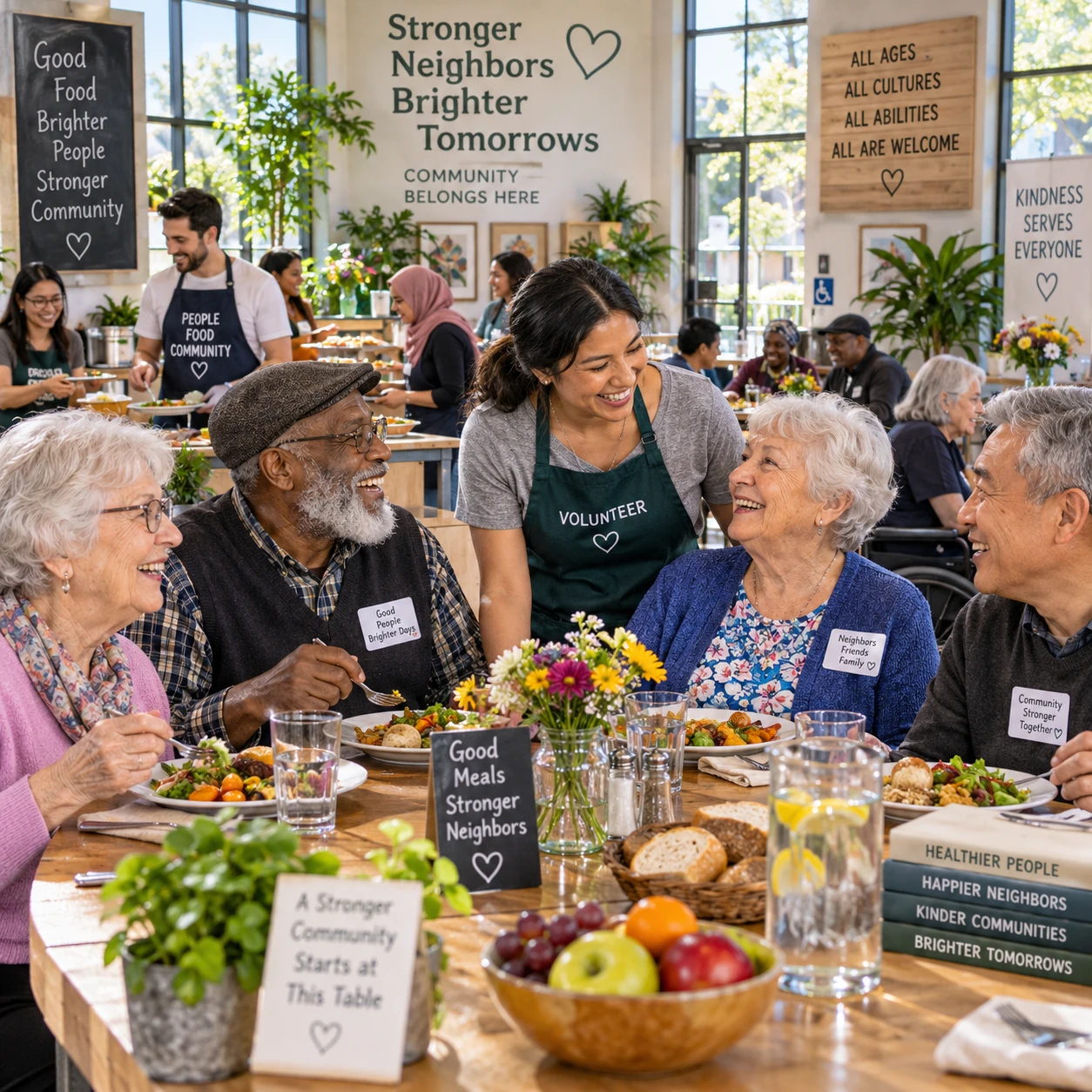
Local churches and community centers can help older adults stay connected, take part in meaningful activities, and find practical support close to home. What each organization offers varies, but a welcoming local space can complement family care, health services, and social programs while respecting each person’s choices.
Why community-based support matters as people age
Community-based support gives older adults nearby opportunities for social connection, activities, and practical help. Regular contact and accessible local resources can contribute to wellbeing and may ease loneliness or isolation, though people’s needs and preferences differ.
Changes such as retirement, a move, reduced mobility, or the loss of a partner can affect someone’s routines and social circle. A nearby gathering, class, or meal program creates a simple reason to leave home and meet others. For people who already have strong networks, these organizations can still offer learning, volunteering, or recreation.
The value often lies in combining small supports. A neighbor may hear about a weekly lunch at a community center, while a church volunteer can help arrange a ride. Together, these connections may make it easier to participate without requiring one organization to provide every service.
Community programs are not medical care, and they cannot replace a clinician, home-care provider, or emergency service. They can, however, help people find information and referrals when a concern falls outside the program’s role.
How churches support older adults
Local churches may support older adults through fellowship, pastoral care, community outreach, and practical assistance. The available help depends on the congregation, its volunteers, funding, and local partnerships.
Some churches organize coffee hours, discussion groups, worship services, or social events. Others offer meal programs, grocery deliveries, friendly visits, or transportation assistance for appointments and activities. A congregation may also connect someone with a local food pantry, benefits adviser, or social-service agency rather than delivering that service itself.
Pastoral care may include a conversation, spiritual guidance, or a visit during a difficult period. Religious support should be offered respectfully and never treated as a requirement for receiving practical help. Older adults who are not religious, or who belong to a different faith, may still be welcome at some community programs; policies vary, so it is reasonable to ask.
Churches can also create opportunities to contribute. Older adults may lead a group, share a skill, help plan an event, or volunteer in a way that suits their energy and interests. This two-way approach recognizes people as community members with experience and abilities, not only as recipients of care.
What community centers can offer
Community centers may offer older adults social activities, classes, meals, exercise, and links to local services. Programs differ by location, so check the current schedule and ask about costs, registration, and accessibility.
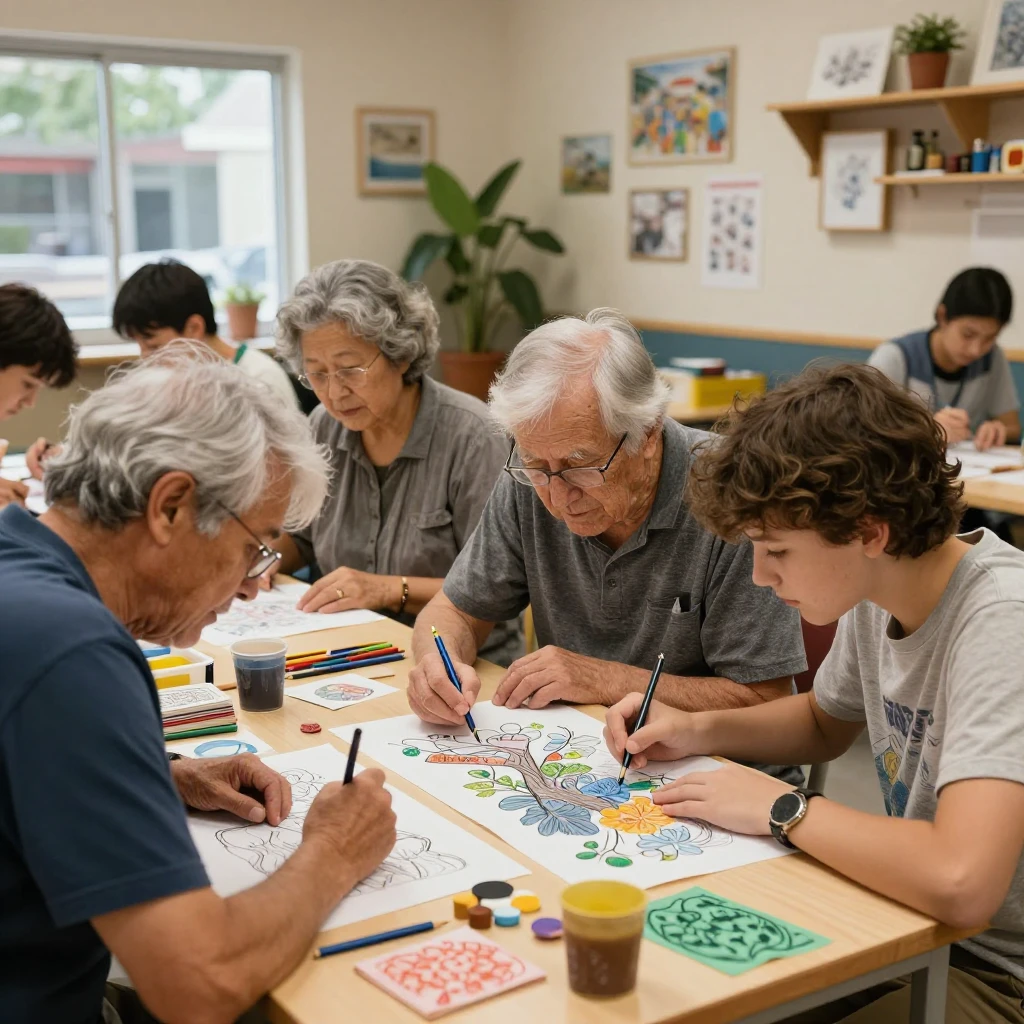
Common options include arts and crafts, book clubs, games, gentle movement classes, technology help, and talks on topics such as housing or benefits. Some centers host intergenerational activities, bringing older adults together with younger people for shared projects, storytelling, music, or mentoring. These activities work best when everyone participates by choice and the format welcomes different abilities.
A center may provide a congregate meal, nutrition information, or referrals to a home-delivered meal program. Transportation assistance may be available through the center, a partner agency, or a volunteer network, but it is often limited by service area, scheduling, or eligibility. Ask whether rides need to be booked in advance and whether the vehicle can accommodate mobility devices.
Some community centers also connect visitors with caseworkers, libraries, senior services, or caregiver support groups. They are not all equipped to assess health needs or provide ongoing care. Staff can usually explain what they do, what they do not do, and where to ask next.
Support beyond programs: relationships and belonging
Relationships and a sense of belonging can make community support more useful than a calendar of activities alone. Familiar faces, attentive listening, and respectful follow-up can help older adults feel welcome and more comfortable returning.
Loneliness is not the same as living alone: someone may live with family and still feel disconnected, while another person who lives alone may feel content and socially engaged. The goal is not to assume what someone needs, but to make meaningful contact easier to choose. A volunteer might remember a person’s preferred name, ask before offering help, and notice if they have stopped attending.
Reliable contact matters. A weekly group that starts on time, has a clear welcome process, and offers a quiet place to rest can feel more accessible than a large one-off event. Small practical details—good lighting, readable signs, nearby accessible toilets, and a way to request assistance—often shape whether someone can participate.
Community outreach can reach people who do not visit a center or church on their own. With permission, local organizations might share program information through housing providers, libraries, clinics, or neighborhood groups. Outreach should protect privacy and avoid treating a lack of attendance as proof that someone is lonely or in need.
How older adults and families can find local support
To find local support, contact nearby churches and community centers, describe the practical need, and ask specific questions about access and participation. A short call can clarify whether a program is a good fit before anyone makes a trip.
- Start nearby. Check municipal or county aging-services listings, library noticeboards, community-center websites, faith-community offices, and referrals from a trusted local professional.
- Describe the need plainly. Ask about social activities, meals, transportation, caregiver support, or help finding services. You do not need to share private medical details to ask about a program.
- Confirm the practical details. Check eligibility, fees, schedule, registration, transport, wheelchair access, hearing support, language options, and whether a caregiver or companion may attend.
- Try a low-commitment visit. Ask whether you can attend once before enrolling, bring someone along, or speak with a coordinator first.
- Follow up if the first option does not fit. Ask staff for a referral to another organization. Program limits are common and do not mean support is unavailable elsewhere.
Families and caregivers can help by asking what the older adult wants, offering choices, and letting them lead conversations where possible. If a concern involves health, safety, or urgent care, contact an appropriate health or emergency service rather than relying on a social program.
Building inclusive, respectful support
Inclusive support protects older adults’ autonomy, addresses access barriers, and welcomes differences in culture, faith, language, and ability. Churches and community centers can strengthen their work by listening to participants and coordinating with caregivers and local services.
Respect begins with asking, not assuming. Offer options for activities and assistance, explain any limits clearly, and get consent before arranging a ride, sharing personal information, or involving a family member. Older adults should be able to decline an offer without losing access to other programs.
Practical inclusion may mean step-free entry, accessible transport, large-print materials, interpretation, dietary choices, or a quieter room. No single organization will meet every need. Partnerships with libraries, public health teams, meal providers, housing organizations, and aging-services agencies can fill gaps, provided each group understands its responsibilities and protects privacy.
Caregiver support matters, too. A center or church might host a peer group, share respite-care referrals, or provide clear information about local services. These resources can reduce the burden of searching alone, but they do not replace professional advice when a caregiver or older adult faces a complex medical, legal, or safety issue.
The strongest local support gives older adults room to choose how they participate: attending a meal, joining an intergenerational activity, asking for a referral, volunteering, or simply stopping by. A personal conversation with a local coordinator is often the best first step toward finding a useful, respectful fit.