Legal and Financial Planning Workshops for Older Adults: What to Expect and How to Prepare
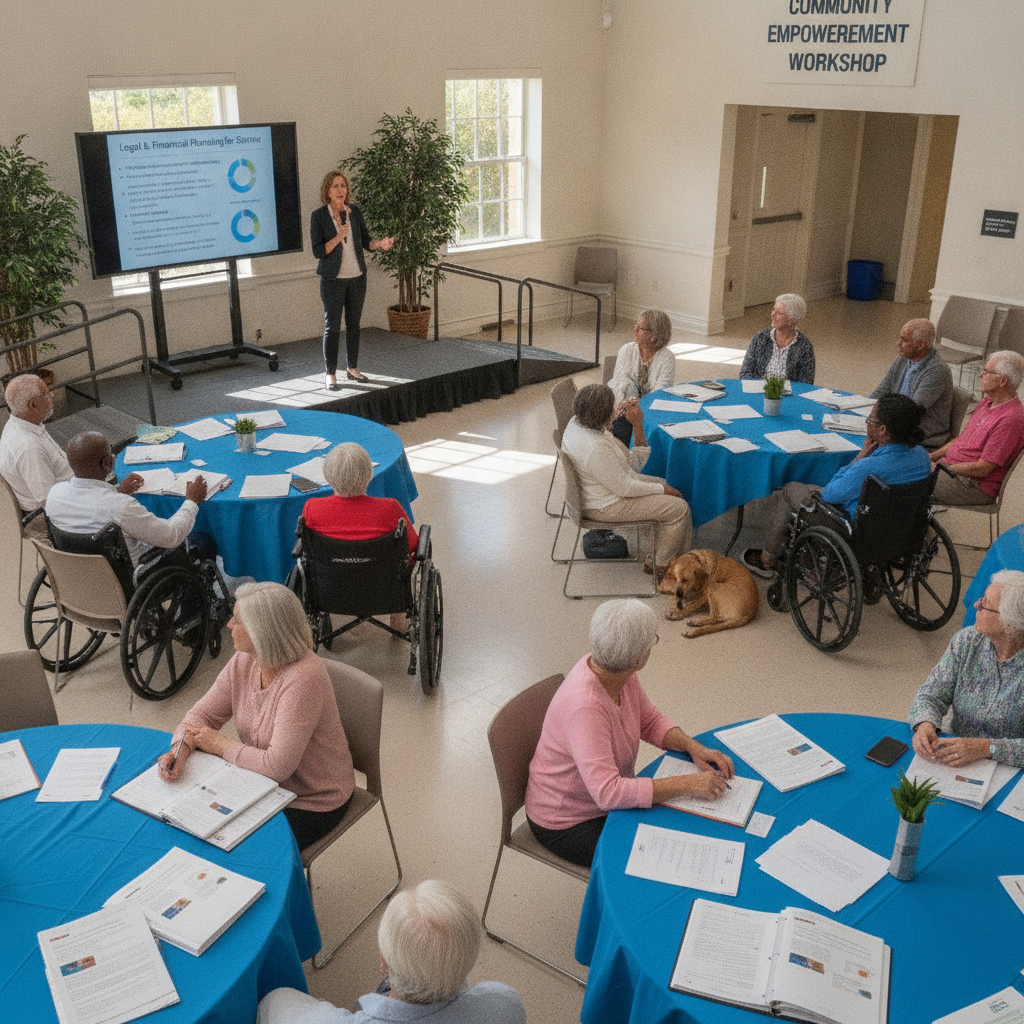
Legal and financial planning workshops for older adults provide practical education about rights, money management, healthcare wishes, and future decision-making. They can make complex subjects easier to discuss while supporting independence, dignity, and informed choices.
A good workshop does not assume that every older adult has the same family, income, health needs, or access to technology. Instead, it offers plain-language information, time for questions, and clear referrals when personalized help is needed.
Why Legal and Financial Planning Matters in Later Life
Legal and financial planning matters in later life because it helps people communicate their wishes, organize important decisions, and reduce avoidable confusion. Planning can support independence even when circumstances change, although each person’s needs and legal options depend on local law and individual circumstances.
Estate planning is one part of this process. It may involve learning about wills and trusts, beneficiary designations, property ownership, and the practical steps needed to keep documents current. A will can explain how certain assets should be distributed, while a trust may serve different purposes depending on its structure and the laws in the person’s location.
Workshops also introduce the role of a power of attorney. This document may allow a trusted person to handle financial or legal matters if the signer cannot do so. The authority granted, when it begins, and how it can be changed vary by jurisdiction, so general information should be followed by qualified advice when appropriate.
Advance healthcare directives help adults record their preferences for medical treatment and identify a healthcare decision-maker where permitted. Discussing these wishes early can make later conversations less stressful for families and clinicians. Planning is about control and communication, not predicting exactly what will happen.
Financial planning supports a similar goal. Reviewing retirement income, regular expenses, debt, emergency savings, insurance, benefits, and possible long-term care costs can reveal questions that deserve attention. A simple written plan often gives people a clearer starting point than trying to remember every concern during a crisis.
What Topics Are Covered in These Workshops?
Most workshops cover estate planning, healthcare decision-making, retirement income, public benefits, budgeting, and long-term care planning. The balance depends on the presenter, audience, funding, and whether the session is educational, legal-aid based, or connected to financial education.
Legal planning topics
- Wills and trusts: their general purposes, common terms, and questions to ask a lawyer.
- Power of attorney: financial authority, agent responsibilities, limits, and document storage.
- Advance healthcare directives: recording treatment preferences and naming a healthcare representative when available under local law.
- Elder law: broad issues involving housing, guardianship, elder abuse, long-term care, consumer protection, and rights in later life.
- Beneficiary forms, property arrangements, document updates, and safe recordkeeping.
Financial planning topics
- Creating a realistic budget based on income, essential costs, debt, and irregular expenses.
- Understanding retirement income from pensions, Social Security or other public programs, savings, and investments.
- Benefits and public assistance, including how to find official eligibility information without assuming approval.
- Long-term care planning, such as home support, assisted living, nursing care, family caregiving, and possible payment sources.
- Fraud prevention, identity protection, financial exploitation, and questions to ask before signing a contract.
Some presenters use worksheets or sample scenarios. For example, participants might compare monthly income with fixed expenses and then list three questions about healthcare or housing. The exercise is educational; it should not require anyone to disclose private account balances or purchase a product.
For reliable public information about federal benefits and assistance programs in the United States, attendees can review USA.gov’s benefits guidance and verify details with the relevant agency.
How to Find an Age-Friendly Workshop
To find an age-friendly workshop, start with community centers, libraries, senior organizations, nonprofit groups, legal aid providers, and trusted financial education programs. Ask about accessibility, cost, presenter qualifications, and whether the event is educational rather than sales-oriented.
Local community centers and senior organizations often host sessions in familiar settings. Public libraries may provide meeting rooms, printed resources, internet access, or referrals. Area agencies on aging, disability resource centers, and nonprofit service providers can sometimes identify free or low-cost programs.
Legal aid organizations and law school clinics may offer educational sessions or brief consultations for people who meet income or eligibility requirements. Financial education programs may be available through nonprofit organizations, universities, credit counseling agencies, or public agencies. Check whether the organization explains its funding and referral relationships.
- Search the website of a local aging or senior-services agency.
- Call a library, community center, or senior organization and ask for upcoming dates.
- Ask a healthcare social worker or benefits counselor about reputable referrals.
- Look for plain-language programs offered in the participant’s preferred language.
- Confirm whether the event is in person, by phone, or online and whether technology support is available.
Accessibility includes more than wheelchair access. Ask about large-print materials, hearing loops, captioning, interpreters, transportation, comfortable seating, breaks, and a quiet space. A program that fits the participant’s communication needs is more useful than one with impressive advertising.
How to Choose a Safe and Trustworthy Program
A safe workshop identifies its presenters, explains its purpose, protects privacy, and gives attendees freedom to leave without buying anything. Clear information and respectful boundaries matter more than polished marketing.
Check whether legal topics are presented by a licensed attorney, legal aid professional, or another clearly identified educator. Financial topics should come from a qualified professional or reputable nonprofit, with any relevant licenses, affiliations, and conflicts disclosed. A speaker’s qualifications do not make the session personalized advice, but they help establish accountability.
Before registering, ask:
- Is the workshop free, low-cost, or linked to a product presentation?
- Will participants be asked for Social Security numbers, account statements, or medical information?
- Can questions be answered privately after the session?
- Are materials available in large print or another language?
- Does the organization provide written contact information and a privacy policy?
Be cautious if a presenter creates urgency, promises guaranteed returns or benefits, demands an immediate signature, or insists that one product or document is right for everyone. Pressure is a warning sign. Attendees can take materials home, compare options, consult someone they trust, and seek independent advice.
Choosing a free workshop may reduce cost, but it may offer only general education and limited follow-up. Choosing a paid program may provide more time or materials, yet payment does not guarantee quality. Evaluate transparency and relevance before price alone.
How to Prepare Before Attending
To prepare for a workshop, write down your questions, review the location and accessibility arrangements, and bring only the information needed for general discussion. Do not bring original legal documents or expose sensitive account details unless a trusted professional has specifically requested them through a secure process.
Useful preparation steps include:
- List your three most important concerns, such as who could help with finances, how to record healthcare wishes, or how to plan for care costs.
- Make a basic inventory of documents you may already have, including a will, trust, power of attorney, advance healthcare directive, insurance policy, pension information, and benefit letters.
- Note major income sources, recurring expenses, debts, and upcoming changes without writing down passwords or full account numbers.
- Bring a notebook, glasses, hearing device, medication schedule if breaks matter, and a way to record follow-up tasks.
- Invite a trusted family member, friend, caregiver, or support worker if the older adult wants assistance.
Involving another person can improve recall, but the older adult should remain in control of consent and decisions. A support person should listen, help clarify questions, and respect privacy rather than take over.

What Workshops Can—and Cannot—Do
Workshops provide general education and practical next steps; they cannot replace individualized advice from a qualified lawyer, financial professional, tax adviser, or benefits counselor. Their value lies in helping participants recognize issues and ask better questions.
A group session may explain what a power of attorney generally does, but it cannot determine which form suits a particular family or property situation. It may describe retirement income and long-term care planning, but it cannot promise investment results, benefit eligibility, or a specific care outcome.
After the workshop, seek individual guidance when circumstances are complicated. Examples include blended families, business ownership, special-needs planning, substantial debt, a dispute over capacity, cross-border property, suspected financial abuse, or uncertainty about public benefits. Local rules can change the meaning and validity of legal documents.
Common mistakes include:
- Signing immediately: People may mistake a clear presentation for personalized advice. Take documents home and obtain independent review.
- Sharing too much information: Participants may disclose account numbers to seem prepared. Use redacted notes and protect personal data.
- Leaving without a next step: General education can feel productive without changing anything. Schedule one manageable action, such as locating an existing will.
- Assuming a document lasts forever: Family, health, residence, and financial changes can make old plans unsuitable. Ask when documents should be reviewed.
Supporting an Older Adult After the Workshop
After a workshop, support the older adult by reviewing takeaways, organizing documents, confirming referrals, and respecting the person’s choices. Follow-up should turn information into small, voluntary actions rather than create pressure.
Ask what stood out and which issue feels most urgent. Help create a short checklist, such as finding an existing advance healthcare directive, calling a legal aid office, checking an official benefits website, or arranging a meeting with a qualified professional. Do not assume that the most visible issue is the priority.
Document organization can be practical and secure. Create a list showing where important papers are stored, who should be contacted, and how to access the information legally. Keep originals in a safe place and avoid circulating copies unnecessarily. Passwords and financial credentials should never be placed in an open family folder.
Family members, caregivers, and community workers can also watch for warning signs of exploitation, including unexplained withdrawals, sudden secrecy, coercion, or a new person controlling money. Concerns should be handled carefully through appropriate adult-protection, legal aid, financial institution, or emergency channels, depending on the situation.
Respect matters throughout. Assistance should strengthen autonomy, not quietly transfer control. The older adult may choose to delay, seek a second opinion, or involve no family member at all.
Frequently Asked Questions
What should older adults bring to a legal and financial planning workshop?
Bring written questions, a basic list of income and expenses, notes about existing documents, and something for taking notes. Leave original documents, passwords, Social Security numbers, and full account details at home unless secure individualized assistance has been arranged.
Are these workshops free or low-cost?
Many community-based sessions are free or low-cost, particularly those hosted by libraries, senior organizations, nonprofit groups, legal aid providers, or public agencies. Ask about registration fees, optional consultations, and whether the event includes sales activity.
Can a workshop replace advice from a lawyer or financial professional?
No. A workshop explains general concepts and helps identify questions. Individual legal, tax, investment, benefits, and long-term care decisions may require advice tailored to the person’s circumstances and local rules.
How can older adults avoid scams or high-pressure sales events?
Research the host and presenters, ask how the event is funded, protect personal information, and refuse to sign or pay immediately. Be especially cautious about guaranteed outcomes, urgent deadlines, unsolicited calls, and claims that one product solves every planning need.
Can family members or caregivers attend?
Often they can, but the older adult should decide who attends and what information is shared. A trusted support person can help with notes and follow-up while respecting the participant’s privacy, consent, and independent choices.