How to Organize Community Events for Elderly Residents in Rural Areas: A Practical Guide
Running a community event in a rural area is a different challenge from organizing one in a town. The distances are longer, the volunteer pool is smaller, and the people you most want to reach are often the hardest to get through the door. But when it works, a well-run rural gathering does something that no home visit or phone call can replicate — it reminds older adults that they belong to something.
Why Community Events Matter for Rural Older Adults
For older adults in rural settings, deliberate community-building is not a nice-to-have — it is a genuine health intervention. Social isolation in rural elderly communities is linked to faster cognitive decline, poorer physical health, and significantly reduced quality of life. Unlike urban areas, rural villages rarely have a drop-in café, a well-staffed day centre, or reliable public transport to bridge the gap.
Reduced mobility compounds the problem. A person who stopped driving two years ago and lives three miles from the nearest shop can go days without meaningful human contact. Sparse local services mean that when a neighbor moves away or a local post office closes, the social fabric frays quickly and quietly.
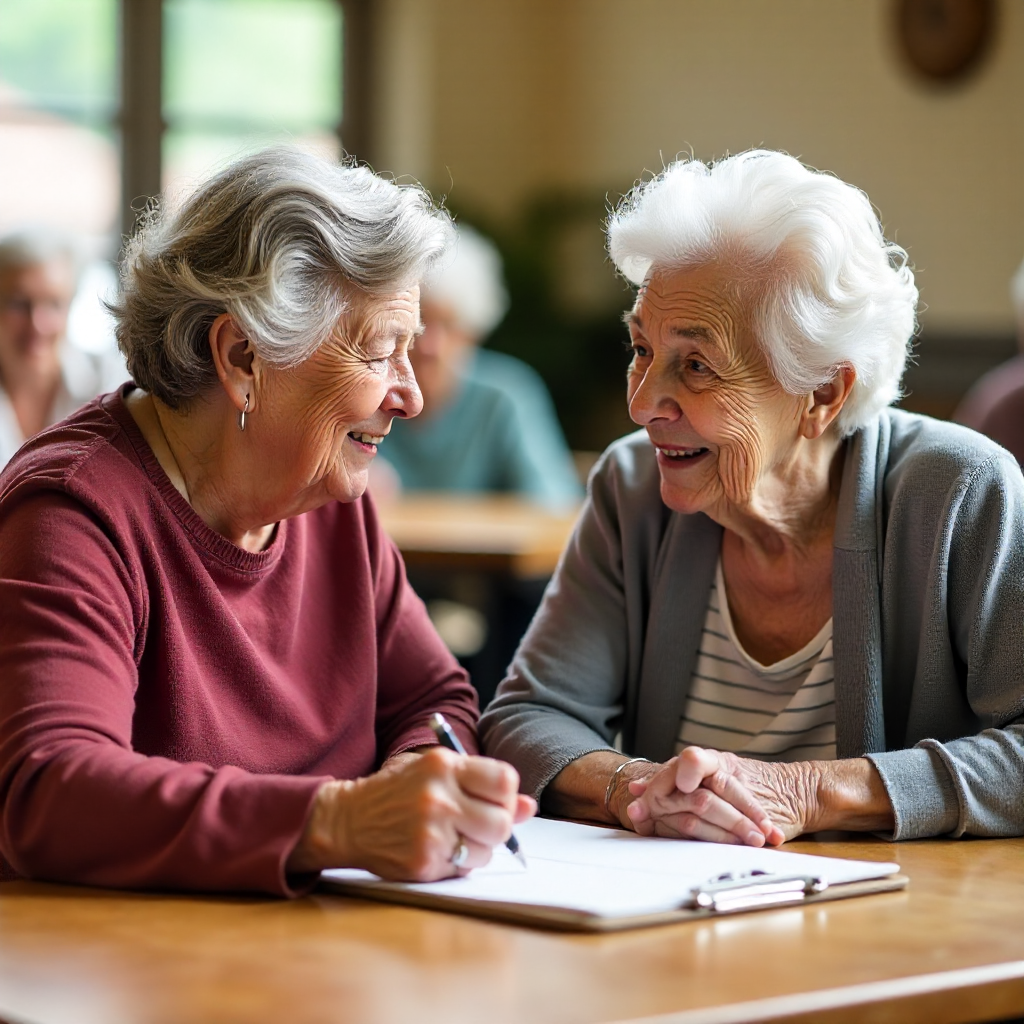
Community events — even simple ones held monthly in a village hall — create a predictable rhythm of connection. They give people something to look forward to, a reason to get dressed, and a place where they are known by name rather than by a care plan number.
Know Your Audience Before You Plan Anything
The most reliable way to run an event nobody attends is to design it without asking anyone. Before committing to a format, date, or venue, talk to older residents themselves — informally, in their homes, through a parish council notice, or via a trusted local figure like a GP receptionist or a faith leader.
What you are trying to learn is specific: When can people realistically travel? Do they prefer mornings or early afternoons? What interests them — conversation, music, gardening, cards? Are there mobility or hearing challenges that need to be planned for from the start? Are there residents who have never attended anything because they assumed they would not be welcome?
This kind of consultation takes a few weeks but saves months of re-planning. It also signals something important to the community — that this event is being built with them, not delivered to them.
Choosing the Right Format and Venue
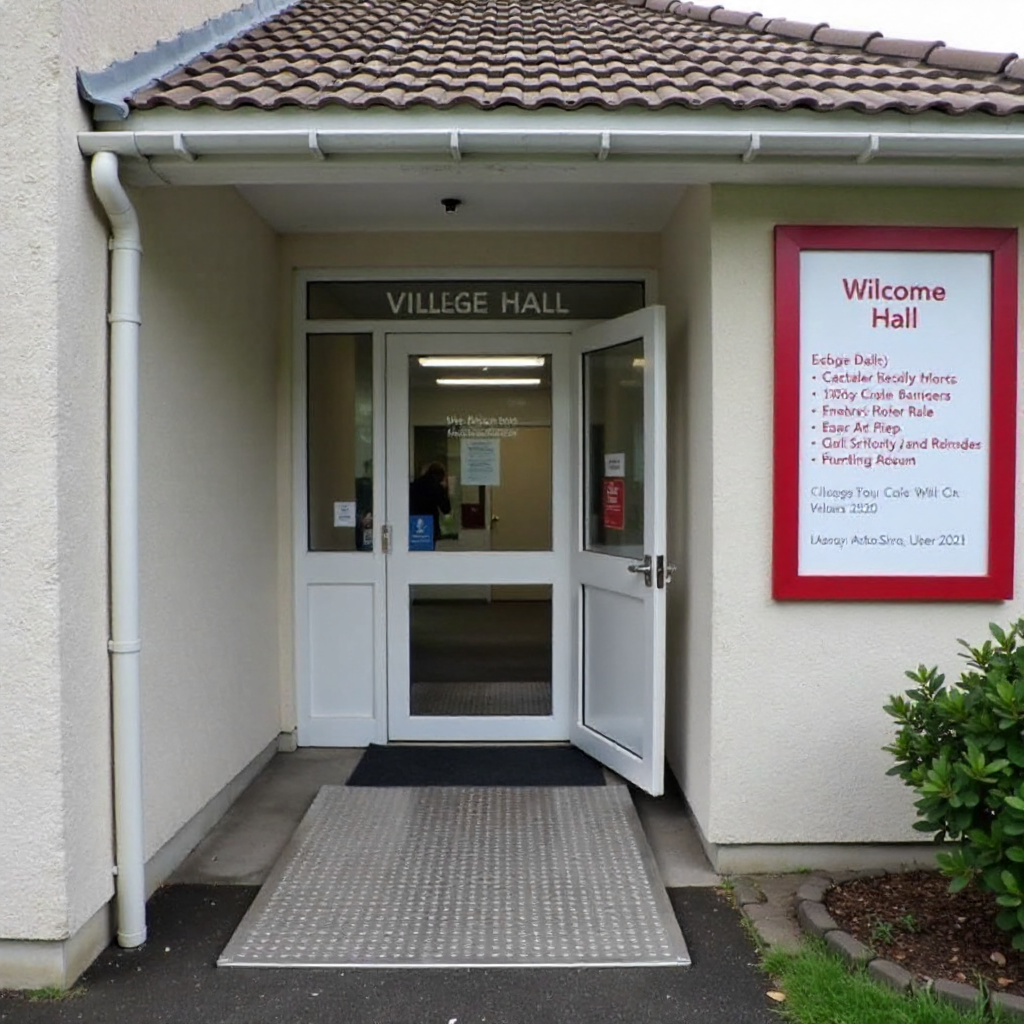
The best venue for a rural community event is almost always the one people already know. Accessible venues like village halls, community centres, and church rooms carry familiarity and low perceived barrier to entry. A new or unfamiliar building — however well-equipped — can feel intimidating to someone who has not been out much.
Check the basics before you commit: step-free entrance, accessible toilet, good lighting, and enough acoustic separation that people with hearing aids are not overwhelmed by background noise. If the hall has a kitchen, that is a bonus — tea and food are social infrastructure, not extras.
Scale the format to realistic attendance. In a low-density rural area, 12 people at a first event is a genuine success. A round-table format with shared food works better than a theatre-style layout, which signals performance rather than community. Keep the programme loose enough to allow conversation — the agenda is a scaffold, not a script.
Solving the Transport Problem
Transport is the single biggest barrier to rural event participation, and it requires a practical solution before anything else is confirmed. Transportation coordination should be treated as a core part of event planning, not an afterthought.
The most effective low-cost model is a volunteer driver scheme — a small group of drivers, often older adults themselves, who commit to collecting one or two attendees per event. This works best when it is organized in advance with a simple sign-up sheet and a named coordinator. Lift-sharing via WhatsApp groups or a paper-based matching system can be layered on top for flexibility.
Some rural areas have existing community transport networks — minibus schemes run by parish councils or local charities — that can be engaged through a direct ask rather than a formal application process. It is worth contacting your local rural transport coordinator to find out what already exists before building something from scratch.
One honest trade-off: volunteer driver schemes depend on the same small pool of people who are also running the event. Build in a backup plan for when drivers are unavailable, even if that backup is as simple as rescheduling.
Building a Peer-Led Volunteer Team
Events organized by older adults for older adults consistently outperform those organized on their behalf. The reason is straightforward — peer-led volunteering creates ownership, and ownership creates attendance.
When recruiting your volunteer team, actively look for older residents who have organizing experience, local knowledge, or simply the trust of their neighbors. A 74-year-old who has lived in the village for 40 years knows who has not been seen recently, which families are going through a difficult time, and who needs a personal invitation rather than a poster on the notice board.
Roles do not need to be formal. Some people will manage the door. Others will handle refreshments. Someone who cannot attend reliably can still make phone calls. The goal is to distribute responsibility across several people so the event does not collapse if one person steps back.
This is the core of the older people for older people model: the community is not the audience for the event — it is the organizing committee, the greeter at the door, and the reason people show up.
Promotion and Outreach That Actually Reaches People
Digital promotion is largely irrelevant for this audience. Community outreach in rural elderly settings runs on trust, word of mouth, and physical presence in the places older residents actually visit.
The most effective outreach channels tend to be:
- Local notice boards — village hall, post office, pub, church porch
- GP surgeries and pharmacies — waiting rooms are high-dwell, high-trust spaces; a simple A5 flyer placed with permission reaches people at a moment when they are thinking about their health and wellbeing
- Faith networks — church notices, mosque bulletins, and similar community announcements reach people who may not engage with any other local channel
- Trusted local figures — a district nurse, a postman, a vicar, or a local shopkeeper who is willing to mention the event personally carries more weight than any printed material
- Telephone outreach — for the most isolated residents, a personal phone call from someone they know is the only promotion that will work
Keep the message simple: what is it, where is it, when is it, how do people get there, and who to call with questions. One contact number is enough.
Evaluating Success and Keeping Momentum
A single successful event is a starting point, not an outcome. Keeping a small rural event series alive requires simple feedback loops and realistic expectations about growth.
Gather feedback informally at the end of each event — a five-minute conversation with three or four attendees will tell you more than a written survey. Ask what they enjoyed, what they would change, and whether there is anyone they know who did not come but might. Track attendance numbers across events; a slow upward trend over six months is healthy. A sudden drop usually signals a transport problem or a scheduling conflict worth investigating.
Wellbeing outcomes are harder to measure but worth noticing. Are the same faces appearing each time? Are people arriving earlier and staying later? Are new connections forming between attendees outside the event itself? These are signs that the event is doing its real job.
Local partnerships — with parish councils, churches, village halls, and local charities — extend what a small volunteer team can sustain on its own. A parish council might cover the hall hire. A local business might donate refreshments. A community trust might offer a small grant. None of these require a lengthy application; they require a phone call and a clear ask.
Frequently Asked Questions
What is a realistic budget for a small rural community event?
A basic monthly gathering — hall hire, refreshments, printed flyers — can often be run for £30–£80 per event depending on your area. Many village halls offer reduced or free hire to community groups. Keeping food simple (tea, biscuits, homemade cake) keeps costs down and often feels warmer than catered options. Local partnerships and small grants through parish councils or community foundations can cover recurring costs once the event is established.
How do we make events welcoming for people with hearing or mobility challenges?
Arrange seating in a circle or U-shape so people can see each other's faces — this helps enormously for lip-reading. Avoid background music during conversation. Ensure the venue has a hearing loop if possible, and mention it on your flyer. Reserve seats near the entrance for anyone with limited mobility, and make sure there is always at least one volunteer whose role is to greet arrivals and help them settle in.
How often should we run events to build a regular community?
Monthly is the most sustainable frequency for most small rural volunteer teams. It is regular enough to build habit and familiarity without burning out organizers. Quarterly events tend to feel like one-off occasions rather than a community; fortnightly can strain a small volunteer pool quickly. Once monthly attendance stabilizes, you can consider adding a second format — a smaller coffee morning, for instance — without replacing the main event.
What do we do if attendance is low at the first event?
Low first-event attendance is normal, not a failure. The first event builds the template; the second and third build the habit. After the event, ask attendees directly to bring someone next time. Follow up with anyone who expressed interest but did not come — often the barrier was transport or uncertainty, not lack of interest. Resist the temptation to change the format immediately; give the event at least three outings before drawing conclusions.
How can we involve family members or carers without making events feel clinical?
Frame family involvement as optional and informal rather than structured. An open-door policy — where a carer or family member is welcome to join for the first event until the older person feels comfortable — works better than a formal carer's program. Avoid creating separate "carer sessions" that signal the event is a care setting rather than a social one. The goal is for older residents to feel like participants, not patients.