Home Safety Modifications and Fall Prevention for Seniors
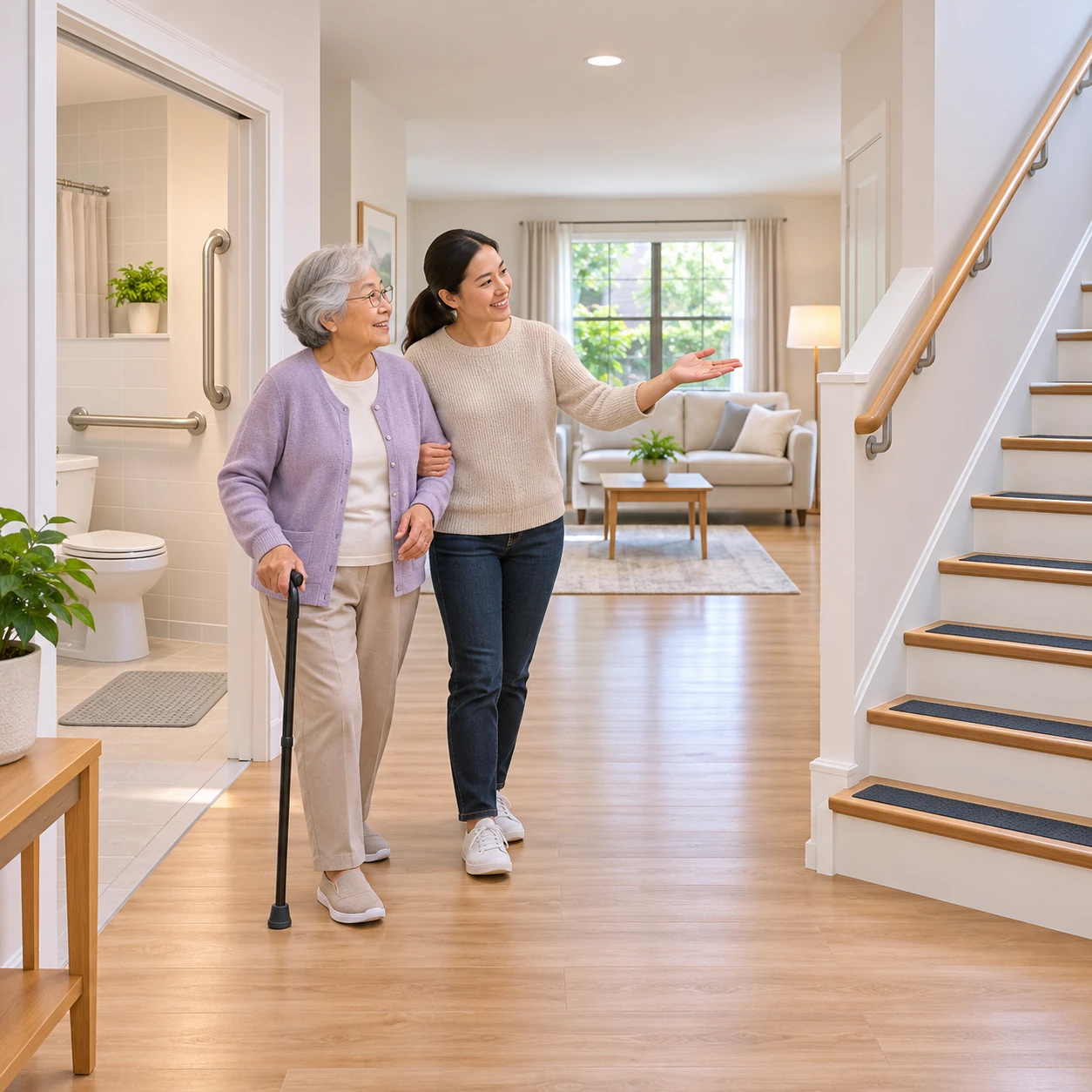
A safer home can make everyday activities easier for an older adult while supporting independence. Small changes to lighting, flooring, stairs, and bathroom equipment can reduce common fall hazards, though no modification can prevent every fall.
Why fall prevention starts at home
Fall prevention starts at home because familiar rooms, daily routines, and ordinary obstacles can affect balance and safe movement. A home safety assessment helps identify risks and match changes to the older adult’s abilities, preferences, and mobility needs.
Falls can happen while turning, reaching, stepping over a threshold, or moving in dim light. A person who uses a cane, has vision changes, or feels unsteady after standing may need different adjustments from someone who walks confidently but struggles to enter a high-sided bathtub.
Think of prevention as a sequence: notice the hazard, understand when it matters, then choose a practical change. For example, a rug may be manageable in a rarely used room but risky beside a bed on the route to the bathroom at night. Solutions should preserve the person’s preferred routines wherever possible.
Home changes work best alongside other steps, such as reviewing medication side effects or discussing dizziness and balance concerns with a health professional. Modifications address environmental risks; they cannot resolve every medical or mobility factor.
Spot common hazards room by room
Common household fall hazards include loose rugs, clutter, slippery surfaces, poor lighting, and objects placed out of easy reach. A room-by-room check makes these risks easier to spot and fix.
- Living areas: Remove loose rugs or secure them with products designed to hold rugs flat. Keep electrical cords and magazines out of walking routes, and leave space to turn with a walker.
- Bedrooms: Keep a lamp or reachable light switch beside the bed. Put frequently used items within easy reach, and keep a clear route from bed to bathroom.
- Kitchens: Store everyday dishes and food at waist-to-shoulder height so the person does not need to climb or stretch. Wipe spills promptly and avoid standing on chairs to reach high shelves.
- Floors and thresholds: Repair uneven flooring and make changes between rooms easy to see. If a threshold cannot be removed, ask a qualified professional about a suitable transition solution.
Check that light reaches the whole route, not just the doorway. Night-lights or motion-activated lighting can help, but glare and harsh shadows may make it harder for some people to judge steps or edges. Adjust bulbs and placement to suit the resident’s vision.
Make bathrooms safer
Bathrooms are safer when the older adult has stable support, secure footing, and an accessible way to bathe. Properly installed grab bars and well-chosen non-slip surfaces can reduce the need to hold onto towel rails or slippery fixtures.
Install grab bars where the person needs support, often near the toilet and at the shower or tub entrance. Their location and height should reflect how the person moves. Grab bars must be anchored to suitable wall structure; suction-cup bars are not a dependable substitute for fixed support. A qualified installer or occupational therapist can help determine placement.
Use non-slip flooring or a bath mat designed to stay in place, and check regularly that it has not shifted or curled at the edges. A shower chair, hand-held showerhead, or transfer bench may make bathing easier. These options can improve access, but the right choice depends on balance, strength, the bathroom layout, and whether the person can transfer safely.
Keep soap, towels, and toiletries within reach so there is less bending or twisting. If stepping over a tub is difficult, consider whether a walk-in shower or other accessible bathing arrangement is appropriate. Changes to plumbing and construction should be planned carefully; a remodel may not be necessary if a smaller equipment change meets the person’s needs.
Improve stairs, entrances, and walkways
Stairs, entrances, and walkways are safer when they are well lit, free of obstacles, and equipped with stable handholds where needed. Clear paths also give canes and walkers enough room to move and turn.
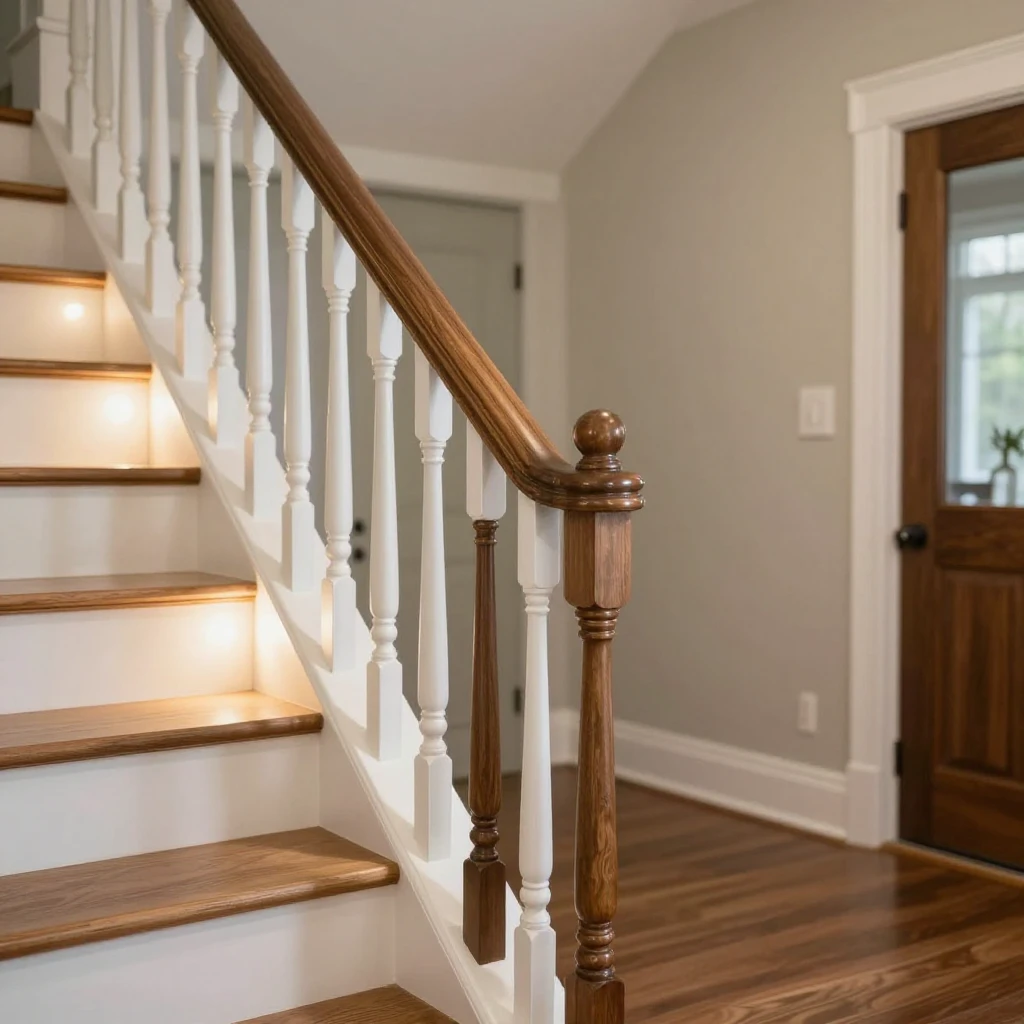
Stairs should have a secure handrail, ideally on both sides if feasible, with sturdy attachment along the full flight. Repair loose steps and make the edges easy to distinguish. Avoid storing items on stairs, even temporarily. If climbing stairs is tiring or unsafe, discuss alternatives such as moving essential activities to one floor rather than assuming a stair lift is the only solution.
At entrances, check for uneven paths, loose steps, poor lighting, and thresholds that catch a toe or mobility aid. A stable rail and a firm, level landing can help with the transition indoors. Keep outdoor paths clear of leaves, ice, and other hazards, and arrange help with maintenance when needed.
Inside, move furniture to create continuous clear walkways. A useful test is to walk the route at the pace and with the assistive device the person normally uses. A path that looks open to someone walking unaided may be too narrow for a walker or wheelchair.
Support safe movement and daily routines
Safe movement depends on the right assistive devices, suitable footwear, and routines that reduce rushing and awkward reaching. The equipment should fit the person and the places where it will be used.
A cane or walker can offer support when properly selected and adjusted, but an ill-fitting device may make movement harder. A physical therapist or other qualified clinician can assess walking and advise on fit and use. Keep the device within reach before standing, and make sure there is space to place it safely beside the bed or chair.
Choose well-fitting shoes with a secure fastening and nonslip soles for indoor and outdoor walking. Socks alone or loose slippers can slide or catch. If the older adult has foot pain or difficulty putting shoes on, ask a clinician or footwear specialist about practical options rather than relying on footwear that feels convenient but lacks stability.
Build safer habits into everyday life:
- Pause after standing, especially if dizziness occurs, and seek medical advice about recurring symptoms.
- Use a reachable light before walking at night instead of relying on memory or phone-screen light.
- Carry smaller loads, or use a suitable bag or cart, so one hand remains available for support.
- Keep frequently used items close and ask for help with high shelves, heavy objects, or tasks that feel unsteady.
Plan changes with support
Plan home safety modifications with the older adult, caregivers, family, and relevant professionals so changes address real needs and respect independence. Start with the hazards that affect frequent or essential activities, then agree on a manageable order for improvements.
A useful priority check is to ask: How often does the person use this route? What could happen there? What change would make the task easier while keeping it theirs to do? A loose rug on the daily bathroom path may need attention before a less-used storage area. Write down concerns and preferences, and revisit the plan after a change in health, mobility, or equipment.
Family members and caregivers can walk through the home together with the resident, listen to what feels difficult, and help arrange repairs or installation. Avoid moving furniture or removing valued belongings without discussion. A change that seems safer to someone else may be confusing or disruptive if it alters a familiar routine.
An occupational therapist can assess how a person completes daily activities and recommend adaptations. A physical therapist may assess balance, gait, and assistive-device use. Depending on the concern, a primary care clinician, home-modification professional, or local aging-services organization may also help. In the United States, the CDC STEADI program offers information for healthcare providers on assessing and addressing fall risk. Availability and funding for home modifications vary by location, so ask local community support services about options.
Frequently asked questions
Where should grab bars be installed?
Common locations include beside the toilet and near the shower or tub entry, positioned to support the person’s actual movements. A professional can help determine placement and ensure bars are securely anchored.
What are the first home changes to consider?
Begin with clear walkways, secure or remove loose rugs, improve lighting on key routes, and address slippery bathroom surfaces. Prioritize changes based on the older adult’s routine and mobility rather than applying the same checklist to every home.
Who can help assess a home for fall risks?
An occupational therapist can review daily activities and home access, while a physical therapist can assess balance and mobility. Caregivers, family members, clinicians, and local aging-services organizations can help identify concerns or connect the resident with qualified support.
How can family members support fall prevention without limiting independence?
Ask what feels difficult, offer choices, and make changes together. Focus on enabling the older adult to keep doing valued activities safely, and avoid taking over tasks the person can manage with an appropriate adjustment or assistive device.