Community Gardening Projects to Engage and Nourish Seniors
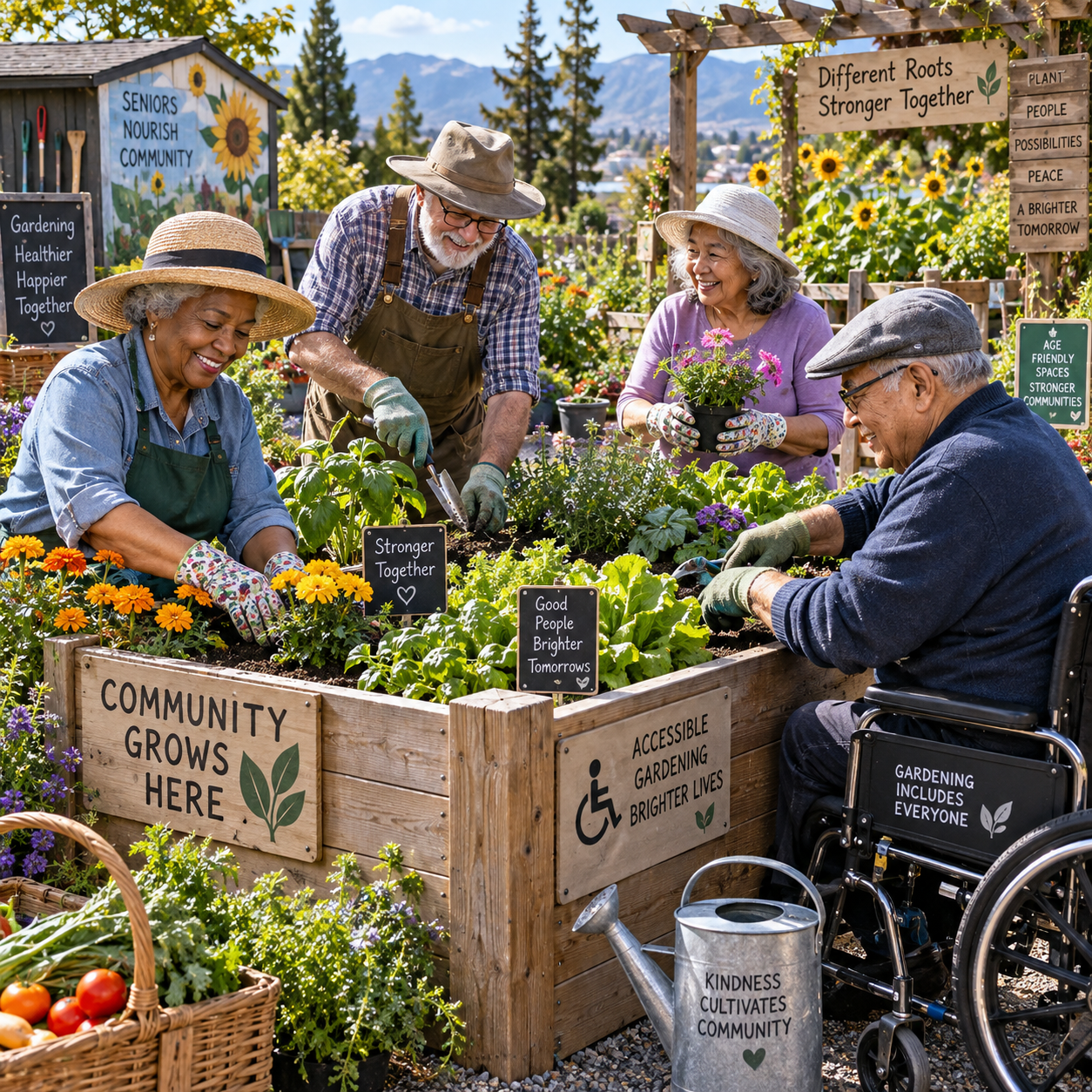
Community gardening projects give older adults meaningful ways to grow herbs and vegetables, share knowledge, enjoy gentle activity, and spend time with other people. A successful garden is measured by more than its harvest. It can also create routine, conversation, confidence, sensory enjoyment, and opportunities for seniors to lead.
Projects can work in senior centers, housing communities, care settings, schools, faith organizations, and shared neighborhood spaces. The most welcoming programs offer choices: participants may plant, water, label, plan, cook, tell stories, welcome visitors, or simply enjoy the garden.
Why Community Gardening Benefits Older Adults
Community gardening benefits older adults by combining social connection, purposeful activity, mental stimulation, gentle movement, and access to fresh produce. The benefits depend on each person’s interests and abilities, so participation should always remain flexible.
Gardening creates natural opportunities for social interaction. A shared task such as planting lettuce or harvesting tomatoes gives people an easy reason to talk, even when introductions might otherwise feel awkward. Regular garden days can become a dependable part of the week and help reduce isolation without making companionship feel forced.
There is also a practical sense of purpose. Seniors can make decisions about what to grow, teach younger volunteers how to save seeds, or coordinate a harvest table. These roles recognize older adults as contributors and mentors rather than treating them only as recipients of support.
Plant care encourages light movement, observation, and problem-solving. Participants may compare seedlings, notice changes in soil moisture, identify insects, or keep a simple growth journal. Harvested produce can supplement meals with familiar, fresh ingredients, although dietary restrictions, allergies, food safety, and individual preferences must guide how food is shared.
Planning an Inclusive Senior Community Garden
To plan an inclusive senior community garden, begin with participant preferences and then design around access, comfort, safety, and manageable volunteer support. A well-planned site makes participation easier before the first seed is planted.
Choose a location near the senior center, housing community, or other familiar destination. Check whether people can reach it without stairs and whether pathways are wide, firm, and free of trip hazards. Provide sturdy seating at regular intervals, shaded areas, drinking water, and access to a nearby restroom. A garden that looks attractive but lacks shade or seating may quickly become unused.
Raised garden beds should be placed where participants can reach plants from a seated or standing position. Keep frequently used herbs and vegetables close to the main path, while placing less accessible crops farther away. A hose, rain barrel with a safe spigot, or nearby water station can reduce the physical effort of watering.
Ask participants about preferred foods, cultural traditions, past gardening experience, and tasks they would enjoy. Create a simple schedule with short work periods, such as 30 to 60 minutes, and include alternatives for hot, rainy, or low-energy days. Volunteer coordination should cover opening the space, preparing materials, checking water, and closing the garden, rather than expecting seniors to carry the whole maintenance burden.
For guidance on making public spaces more usable, organizers can consult accessibility information from the U.S. Access Board and adapt general principles to the local setting.
Engaging Community Gardening Project Ideas
Effective community gardening projects offer a clear purpose, visible progress, and several ways to participate. Start with one or two manageable projects instead of creating a large garden that depends on constant labor.
Shared vegetable plots
Divide a raised bed into small sections and let participants choose crops such as lettuce, radishes, beans, cherry tomatoes, or peppers. Add plant markers with large print and pictures. Participants can adopt a row, work in pairs, or contribute to a shared harvest basket.
Herb and sensory gardens
Herbs such as mint, basil, parsley, chives, rosemary, and thyme provide strong scents and familiar flavors. Lavender, lemon balm, marigolds, and nasturtiums add color and texture. Ask participants to describe memories connected with particular plants, then record those stories in a garden notebook.
Garden-to-table cooking sessions
Use harvested ingredients in a simple activity such as preparing herb butter, a tomato salad, vegetable soup, or infused water. Follow local food-safety practices, wash produce carefully, and check allergies and dietary needs. A cooking session can include people who cannot garden but enjoy chopping, seasoning, storytelling, or tasting.
Seed-saving and flower-growing projects
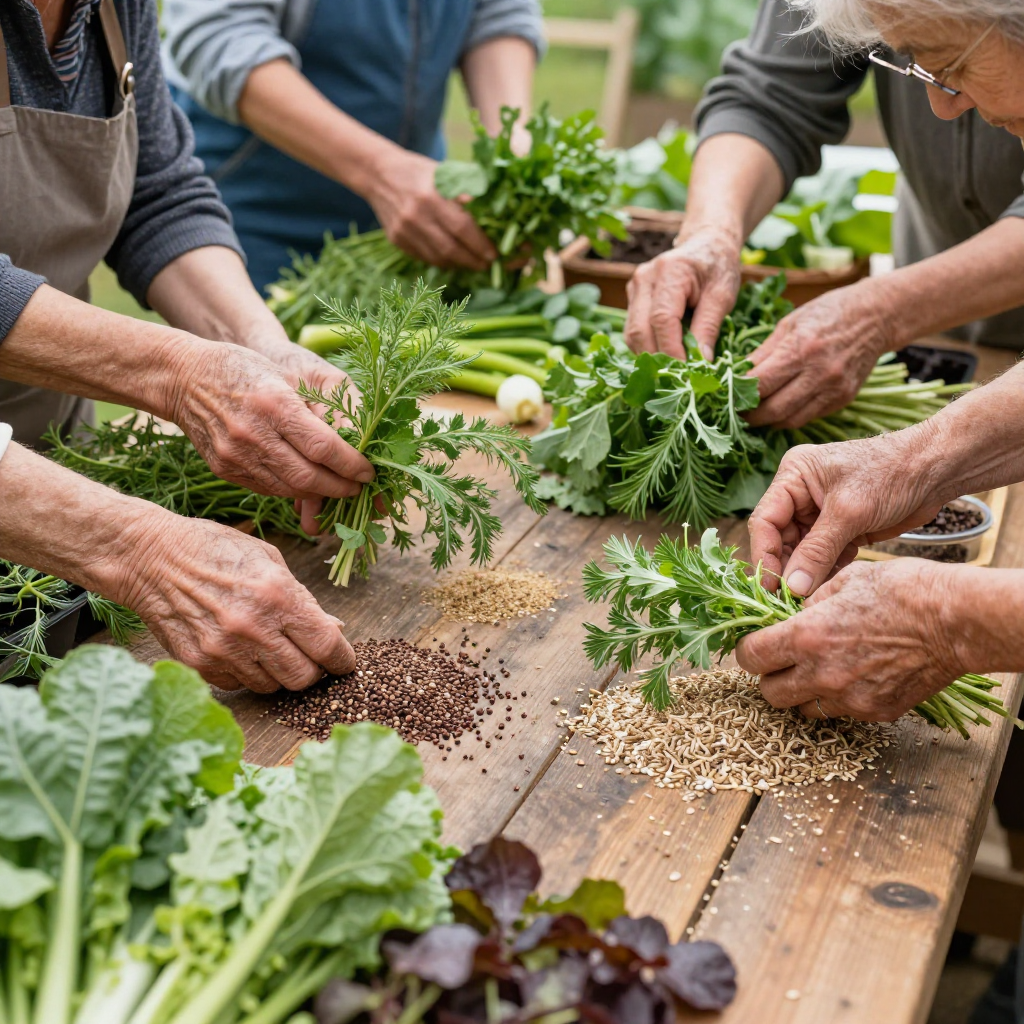
Seed-saving activities teach practical skills and create a link between seasons. Flower projects, including sunflowers, zinnias, and calendula, can supply bouquets for communal rooms or gifts for neighbors. The results may be modest, but the process supports creativity and ownership.
Making Gardening Accessible for Different Abilities
To make gardening accessible for different abilities, provide multiple work heights, lightweight equipment, seated options, and flexible roles. Adaptive gardening should change the environment and tools rather than asking every participant to work in the same way.
- Raised beds: Use beds at varied heights so people can garden from a chair, wheelchair, or standing position. Keep them narrow enough to reach the center without stretching.
- Container gardening: Place pots on stable benches, tables, or wheeled platforms. Containers work well for herbs, salad greens, strawberries, and compact tomatoes.
- Vertical growing: Trellises and wall planters save space, although they must be firmly secured and kept at a safe height.
- Accessible gardening tools: Choose lightweight trowels, long-handled tools, ergonomic grips, bright-colored handles, and tools with wrist-friendly shapes. Store them where participants can reach them easily.
- Seated workstations: Provide a stable chair with arms, a small table for potting, and trays that keep soil and seedlings within reach.
- Clear labels: Use large, high-contrast lettering, simple plant names, and pictures. Labels can also include watering instructions.
Flexible roles matter as much as physical design. Someone with limited stamina might sort seed packets, photograph plant growth, greet visitors, or lead a discussion about cooking. People living with memory loss may benefit from familiar repetitive tasks, clear instructions, and calm supervision. Never assume a diagnosis determines what someone can contribute; ask, demonstrate, and adjust.
Choosing Plants That Engage and Nourish Seniors
The best plants for seniors are familiar, rewarding, suited to the local growing conditions, and manageable for the available volunteers. Select a mixture of edible plants, flowers, and sensory varieties rather than relying on one type of crop.
Fast-growing options provide encouraging results. Leaf lettuce, arugula, radishes, bush beans, peas, chives, basil, parsley, and mint can offer visible progress within weeks, depending on the season and climate. Cherry tomatoes and strawberries are engaging because participants can harvest small amounts regularly. Dwarf peppers and compact cucumbers can work well when containers or trellises are available.
Choose crops based on local sunlight, rainfall, temperature, soil, and planting dates. A plant that is easy in one region may struggle in another. Native or climate-adapted flowers can reduce maintenance and support pollinators, while fragrant plants such as lavender, rosemary, and lemon balm add sensory interest.
Food choices should reflect the community. Ask whether participants prefer familiar cultural ingredients, cooking herbs, salad crops, or produce that is expensive locally. Avoid promising that a garden will meet nutritional needs by itself. Its strongest contribution may be the combination of fresh ingredients, enjoyable activity, shared meals, and a stronger relationship with food.
Building Social Connection Through Gardening
Gardening builds social connection when activities make conversation, cooperation, and shared decision-making part of the project. Schedule recurring events and welcome participants who prefer social, creative, or observational roles.
Try group planting days, paired gardening, and intergenerational gardening with a nearby school, youth group, or family organization. Older adults can teach seed-starting, traditional recipes, plant names, or stories about gardens they remember. Younger volunteers can help with lifting, technology, watering systems, or photography. Plan exchanges in both directions so the relationship feels collaborative.
Skill-sharing sessions might include making plant labels, arranging flowers, building a simple trellis, or discussing how herbs are used in different cuisines. A harvest celebration can include music, recipes, displays of photographs, and a tasting table. People who do not want to touch soil can still welcome guests, record harvest amounts, draw plants, manage a recipe board, or help decide where produce should go.
A useful approach is the three-role model: every activity offers a hands-on role, a social or creative role, and a leadership role. For example, one person plants seedlings, another records names and dates, and a third explains the task to visitors. This keeps participation inclusive without ranking one contribution above another.
Safety, Maintenance, and Long-Term Participation
Safe, sustainable senior gardening requires hydration, sun protection, clear walkways, safe tools, realistic workloads, and shared responsibility. Plan maintenance before expanding the garden, because an attractive project can lose trust if plants repeatedly dry out or paths become obstructed.
Schedule outdoor work during cooler parts of the day. Provide water, hats, sunscreen, shade, and regular rest periods. Keep tools in good condition, remove damaged handles, and store sharp equipment securely. Use non-toxic growing practices appropriate for the setting, and make sure participants know which plants are edible before tasting anything.
Prepare a weekly watering and inspection rota that names specific people or volunteer teams. Include a backup contact for holidays, illness, and extreme weather. Mulch can reduce watering needs, but it should not cover pathways or create slippery surfaces. Seasonal transitions should be simple: clear spent plants, save suitable seeds, move containers indoors where appropriate, and offer indoor seed-starting or garden planning during colder months.
Common mistakes include starting with too many beds, assigning only strenuous tasks, and measuring success by harvest volume. Correct these problems by beginning with one accessible bed, limiting the crop list, and tracking participation, enjoyment, new skills, and social connections alongside produce. A garden that grows slowly but keeps people involved is often more sustainable than a highly productive garden that depends on a few exhausted volunteers.
Frequently Asked Questions
How can community gardens be made accessible for seniors?
Use firm, level paths, raised garden beds, containers, seating, shade, nearby water, large-print labels, and lightweight accessible gardening tools. Offer seated and standing workstations so participants can choose the most comfortable option.
What are the easiest plants for older adults to grow?
Leaf lettuce, radishes, bush beans, chives, basil, parsley, mint, cherry tomatoes, strawberries, marigolds, and nasturtiums are approachable choices when matched to local conditions. Containers can simplify care for herbs and compact crops.
Which gardening activities suit seniors with limited mobility?
Container gardening at table height, seed sorting, labeling, watering with a lightweight can, harvesting reachable crops, flower arranging, garden journaling, and recipe planning can all support participation without prolonged standing or bending.
How can volunteers support a senior gardening project?
Volunteers can prepare beds, move supplies, manage watering, check paths, coordinate schedules, and partner with participants during planting. They should support independence by offering help, explaining tasks clearly, and allowing seniors to make decisions.
How can harvested produce be used in senior communities?
Use produce in communal meals, cooking demonstrations, tasting sessions, recipe exchanges, food-preservation activities, or small gift baskets. Follow food-safety rules and check allergies, swallowing concerns, dietary restrictions, and personal preferences before serving food.